
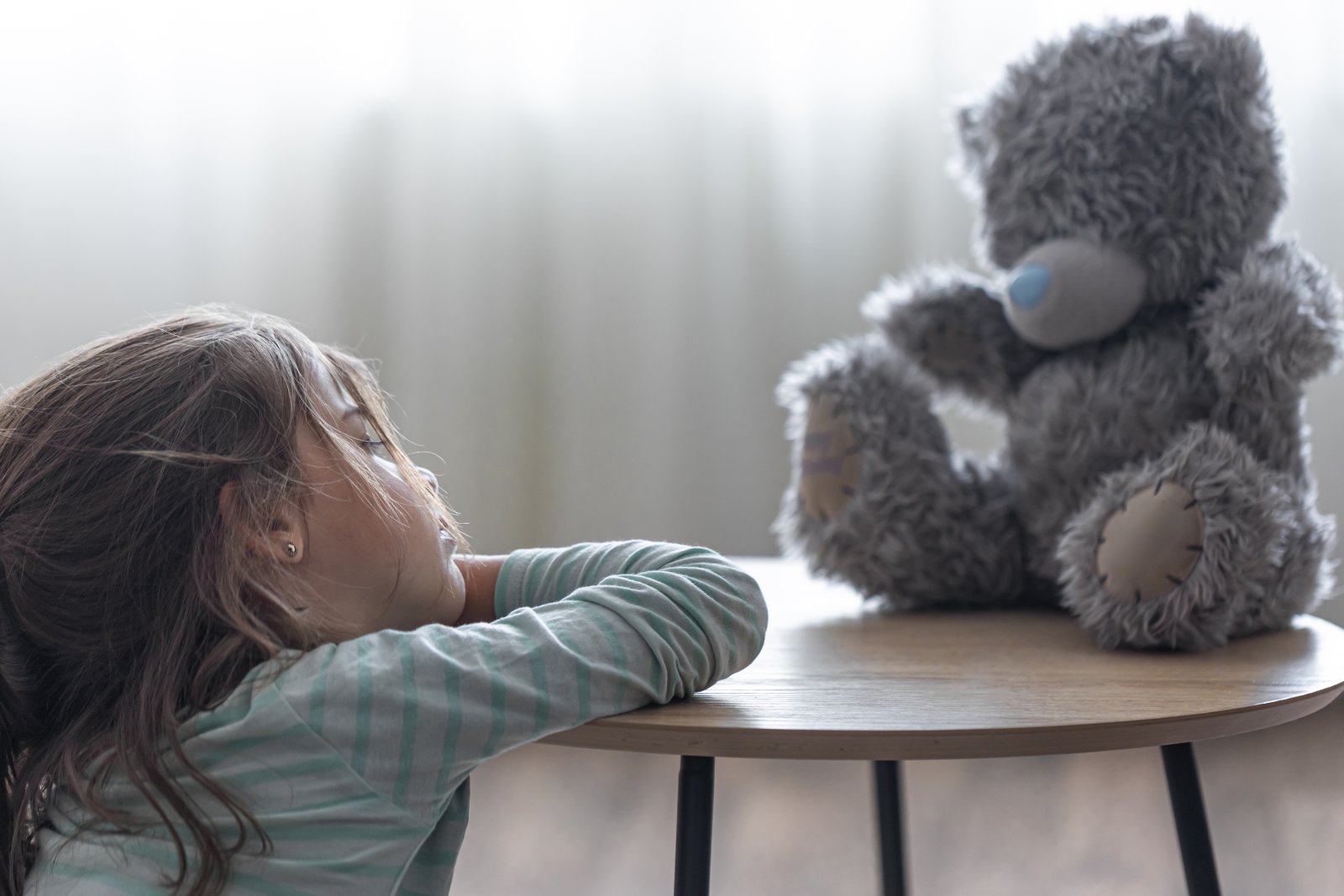
Depression in children is more common than many people think. It is not just sadness. Instead, it is a real medical condition that affects a child’s thoughts, feelings, and actions. Early detection is very important. When parents spot the early signs of childhood depression, they can help their child get the right support. This can make a big difference in recovery and long-term child mental health.
Recognizing Early Signs of Depression in Children
Children may not always say they feel sad. However, there are many signs that can show something is wrong. Knowing how to spot depression in kids can help parents act early. Look for these symptoms:
Because these signs can also be caused by other issues, it is important to look for patterns or changes that last more than two weeks.
Causes and Risk Factors
Depression in children can have many causes. Sometimes, it is a mix of several factors. For example, genetics can play a role. If a parent or close family member has depression, a child may be at higher risk. In addition, stressful life events, such as divorce or moving, can trigger symptoms. Other risk factors include:
While not every child with these risk factors will develop depression, being aware can help parents stay alert.
How Depression in Children is Diagnosed
Diagnosing depression in children involves several steps. First, a doctor or mental health specialist will talk with the child and family. They will ask about mood, behavior, and daily life. Next, screening tools or questionnaires may be used to gather more information. Sometimes, teachers or caregivers are also asked for input. In some cases, medical tests may rule out other health problems. However, only a trained professional can make a diagnosis. Early diagnosis helps children get the right treatment sooner.
Treatment Options for Childhood Depression
There are several effective treatments for depression in children. The best approach depends on the child’s age, symptoms, and needs. Common treatments include:
According to the CDC and WHO, early and consistent treatment leads to better outcomes for child mental health.
How Parents Can Support Their Child
Parents play a key role in helping children with depression. Here are some ways to offer support:
With strong parental guidance for child depression, children feel less alone and more hopeful.
Prevention and Promoting Mental Well-being
While not all cases of depression can be prevented, parents can help lower the risk. For instance, building a safe and loving home helps children feel secure. Other helpful habits include:
By promoting mental well-being, parents can help children build resilience against future challenges.
When to Seek Professional Help
Sometimes, depression in children can become severe. If you notice any of these warning signs, seek help right away:
Quick action can save lives and help children recover faster.
Conclusion
Depression in children is serious, but early action can help. By knowing the early signs of childhood depression and supporting your child, you can make a big difference. If you notice these signs in your child, consult a mental health specialist at The Suraksha Child Care And Development Center for personalized guidance.