What is Emotional Dysregulation in Children?
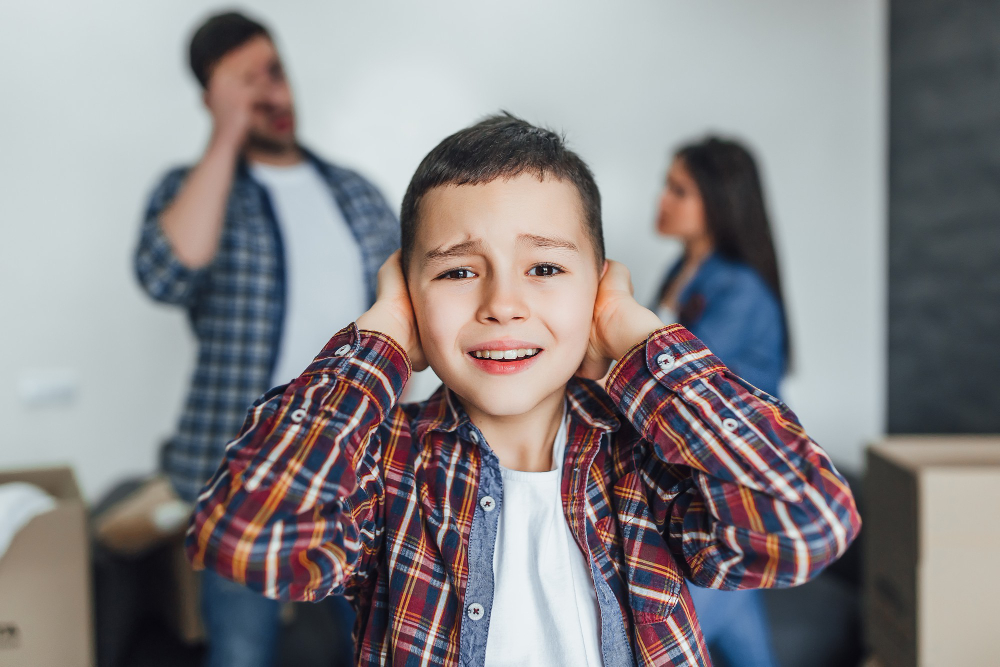
Emotional dysregulation in children means they have trouble managing their feelings. As a result, they may have frequent meltdowns. These meltdowns can look like crying, yelling, or even hitting. Children with emotional dysregulation find it hard to calm down once upset. Because of this, small problems can feel very big to them. Emotional dysregulation is not just a phase. Instead, it can affect a child’s daily life and relationships.
Common Symptoms and Signs of Emotional Dysregulation
Children show emotional dysregulation in different ways. However, some signs are common. For example, you may notice:
Sometimes, children may also have trouble sleeping or complain of stomachaches. These signs can make daily life harder for both the child and the family.
Causes and Risk Factors
Many things can lead to emotional dysregulation in children. For instance, brain development plays a role. Some children’s brains process emotions differently. In addition, stressful life events, such as moving or family changes, can make it worse. Genetics may also increase risk. Children with ADHD, anxiety, or autism are more likely to struggle with emotional regulation. Sometimes, a lack of sleep or poor nutrition can add to the problem. Because every child is unique, causes can vary.
How Emotional Dysregulation Impacts Daily Life
Emotional dysregulation can affect many parts of a child’s life. For example, it may cause problems at school. Children might have trouble making friends or following classroom rules. At home, frequent meltdowns can lead to stress for the whole family. Over time, children may feel bad about themselves. They may also avoid activities they once enjoyed. As a result, their learning and social skills can suffer.
Diagnosis and When to Seek Help
It is normal for children to have strong feelings sometimes. However, if meltdowns happen often or last a long time, it may be time to seek help. A doctor or mental health professional can assess your child. They may ask about your child’s behavior at home and school. Sometimes, they use checklists or talk with teachers. Early diagnosis can help children get the support they need. If you are unsure, it is always better to ask for advice.
Evidence-Based Treatment Options
Treatment for emotional dysregulation in children often includes therapy. For example, cognitive-behavioral therapy (CBT) helps children learn to manage their feelings. Parent training programs can teach families how to respond to meltdowns. Sometimes, group therapy helps children practice social skills. In rare cases, doctors may suggest medicine if other conditions are present. According to the CDC and other experts, early support leads to better outcomes.
Practical Tips for Parents and Caregivers
Supporting a child with emotional dysregulation can be challenging. However, there are steps you can take:
With patience and support, children can learn to manage their emotions better.
Prevention and Early Intervention
Early support can prevent emotional dysregulation from getting worse. For instance, teaching children about feelings at a young age helps. Encourage open talks about emotions at home. In addition, healthy sleep, good nutrition, and regular exercise support emotional health. If you notice early signs, talk with your child’s doctor. Many communities offer support for parents of children with meltdowns. Early intervention makes a big difference.
In summary, emotional dysregulation in children can be managed with the right support. If you are concerned, consult a qualified mental health professional at The Suraksha Child Care And Development Center for personalized advice and support.