
What is Play Therapy?
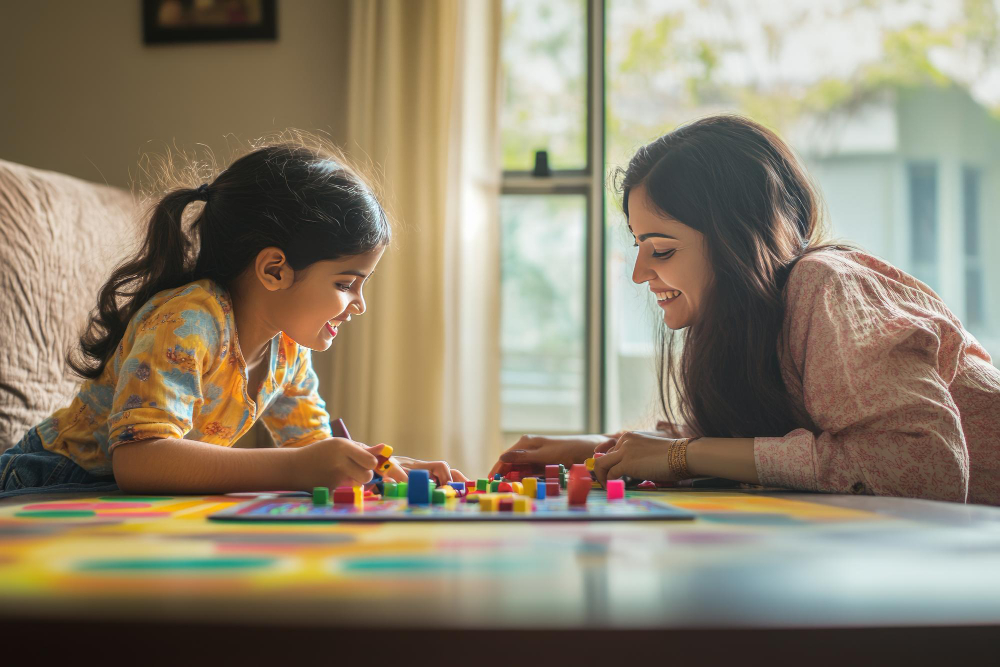
Play therapy is a special approach that helps children express their feelings through play. Often, children find it hard to talk about their emotions. Instead, they use toys, games, and art to show how they feel. Because play is natural for kids, play therapy makes it easier for them to open up. Many experts, including the American Psychological Association, support play therapy for child mental health support.
How Play Therapy Supports Emotional Growth
Through play therapy, children can safely explore their emotions. For example, they might act out stories or use dolls to show what worries them. As a result, therapists can help children understand and manage their feelings. In addition, play therapy teaches kids how to solve problems and build healthy relationships. Over time, children learn to cope with stress and express themselves better.
Key Benefits of Play Therapy
Who Can Benefit from Play Therapy?
Many children can benefit from play therapy. For instance, it helps those who have experienced trauma, such as loss or divorce. Children with anxiety, depression, or behavior issues also find support. Additionally, play therapy is useful for kids with learning differences or developmental delays. Even children facing everyday stress can gain emotional growth through play therapy. If you are searching for “play therapy near me,” many local clinics offer these services.
What to Expect in a Play Therapy Session
During a session, a trained therapist creates a safe and welcoming space. First, the child chooses toys, games, or art supplies. Then, the therapist observes and sometimes joins in the play. Through gentle guidance, the therapist helps the child explore feelings and solve problems. Each session lasts about 30 to 50 minutes. Over several weeks, children often become more comfortable and open.
How to Find a Qualified Play Therapist
Tips for Parents and Caregivers
Frequently Asked Questions
In summary, play therapy offers a gentle way to support emotional growth in children. If you think your child could benefit, consult a qualified play therapist at The Suraksha Child Care And Development Center for personalized guidance on supporting your child’s emotional growth.