
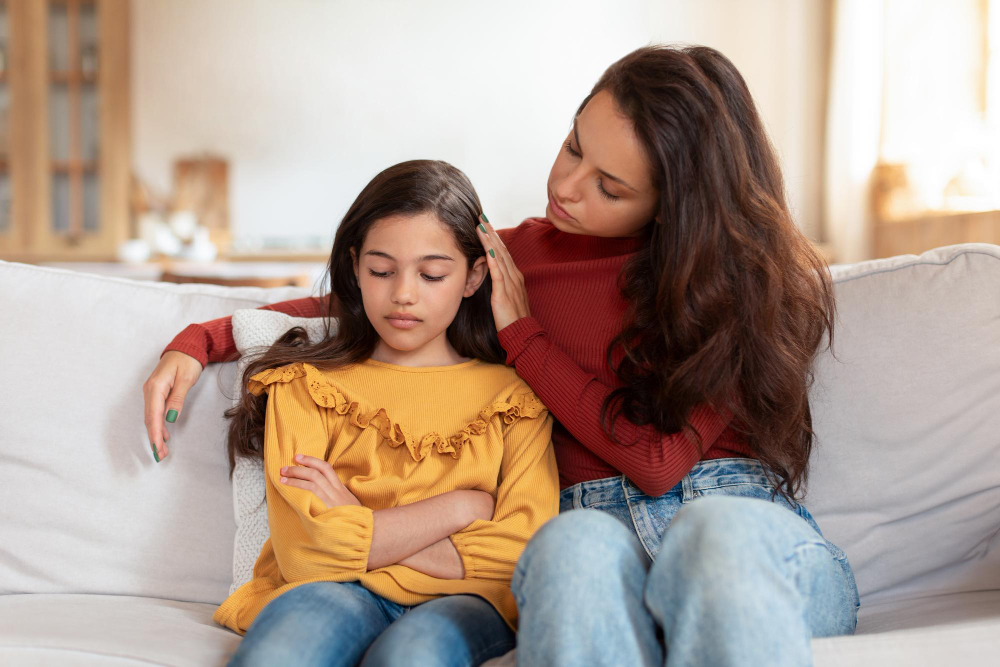
Childhood anxiety is more common than many parents realize. Early recognition of childhood anxiety can help your child feel safe and supported. Because anxiety can affect school, friendships, and daily life, knowing the signs is important. With the right support, children can learn to manage their feelings and build confidence. This blog will help you understand childhood anxiety, recognize its signs, and learn how to support your child’s mental health.
What is Childhood Anxiety?
Childhood anxiety is a feeling of worry or fear that does not go away. While it is normal for children to feel nervous sometimes, ongoing anxiety can affect their daily life. For example, some children may worry about school, friends, or being away from parents. Others may feel scared without a clear reason. Although anxiety is a normal emotion, too much can make it hard for children to enjoy life. According to the CDC, about 7% of children aged 3–17 have diagnosed anxiety each year.
Common Signs and Symptoms
Recognizing the signs of anxiety in children can be tricky. However, there are some common symptoms to watch for. Early detection helps you support your child better. Look for these signs:
Sometimes, children may not talk about their worries. Instead, they may show changes in behavior. For instance, a child who once loved school may suddenly refuse to go.
Causes and Risk Factors
Many things can cause childhood anxiety. Sometimes, it runs in families. Other times, stressful events or changes at home or school can trigger anxiety. For example, moving to a new city or starting a new school can be stressful. Additionally, children who have experienced trauma or bullying are at higher risk. Some children may have a natural tendency to worry more than others. According to the WHO, both genetics and environment play a role in childhood mental health.
How to Support Your Child
Supporting a child with anxiety takes patience and understanding. First, let your child know you are there for them. Next, listen to their concerns without judgment. Here are some ways to help:
Because every child is different, what works for one may not work for another. However, showing love and support always helps.
When to Seek Professional Help
Sometimes, anxiety can become too much for a child to handle alone. If your child’s worries last for weeks or get worse, it may be time to seek help. Watch for these signs:
If you notice these signs, talk to your child’s doctor or a mental health specialist. Early support can make a big difference. Many communities and schools offer resources for children’s mental health.
Prevention and Lifestyle Tips
Although you cannot prevent all anxiety, healthy habits can lower the risk. For example, regular exercise and enough sleep help children manage stress. Here are some simple tips:
Because children learn by watching adults, show them how you handle stress in healthy ways. This can help build their confidence and coping skills.
If you notice signs of anxiety in your child, consult a mental health specialist at The Suraksha Child Care And Development Center for personalized guidance. Early support can help your child thrive and enjoy life.