
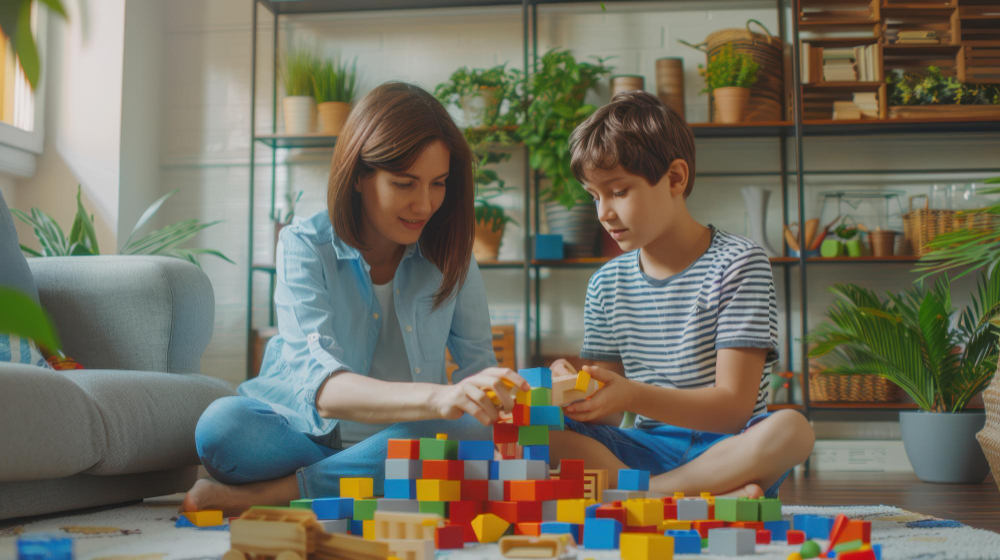
What Are Play Skills in Autism?
Play skills in autism are ways children with autism interact, explore, and learn through play. For many children, play is a natural way to learn about the world. However, children with autism may play differently. For example, they might line up toys instead of using them for pretend play. Because play is important for learning, it is a key focus in autism therapy for social development. According to the CDC, play helps children build language, thinking, and social skills.
Common Challenges with Play in Autism
Children with autism often face unique challenges during play. For instance, they may:
Because of these challenges, children may miss chances to learn from others. Yet, with support, many can improve their play skills over time.
Why Play Skills Matter for Social Development
Play is more than just fun. It teaches children how to connect with others. When children play together, they learn to share, take turns, and solve problems. As a result, play skills in autism are closely linked to social growth. For example, children who practice pretend play often develop better language and social skills. The World Health Organization notes that early play helps children build trust and friendships. Therefore, improving play skills can lead to stronger social connections for autistic children.
Types of Therapy to Improve Play Skills
Several therapies focus on improving social skills in autistic children by building play skills. Some common types include:
Because every child is different, therapists often use a mix of these methods. The CDC recommends early and personalized therapy for the best results.
How Therapists Support Social Growth Through Play
Therapists use play to help children with autism build social skills step by step. First, they watch how a child plays. Then, they join in and model new ways to play. For example, a therapist might show how to take turns or use toys for pretend games. Over time, children learn to copy these actions. In addition, therapists may invite peers or siblings to join play sessions. This helps children practice real-life social skills in a safe space. Because therapists use praise and encouragement, children often feel more confident trying new things.
Practical Tips for Parents and Caregivers
Parents and caregivers play a big role in improving play skills in autism. Here are some tips to support your child at home:
Because every child is unique, try different activities to see what works best. If you need more ideas, therapists can suggest games that match your child’s interests and needs.
Evidence-Based Outcomes and Research
Research shows that therapy can help improve play skills in autism. For example, a study in the journal Pediatrics found that children who received early play-based therapy made gains in social and language skills. Similarly, the CDC reports that children who practice play with others often show better communication and fewer behavior problems. While results can vary, most experts agree that early support makes a big difference. Because of this, many doctors and therapists recommend starting therapy as soon as possible. Ongoing research continues to explore new ways to support social development in autistic children.
Conclusion
If you have questions about play skills or autism therapy, The Suraksha Child Care And Development Center is here to help. Reach out today to discuss your child’s needs and explore supportive therapy options.