
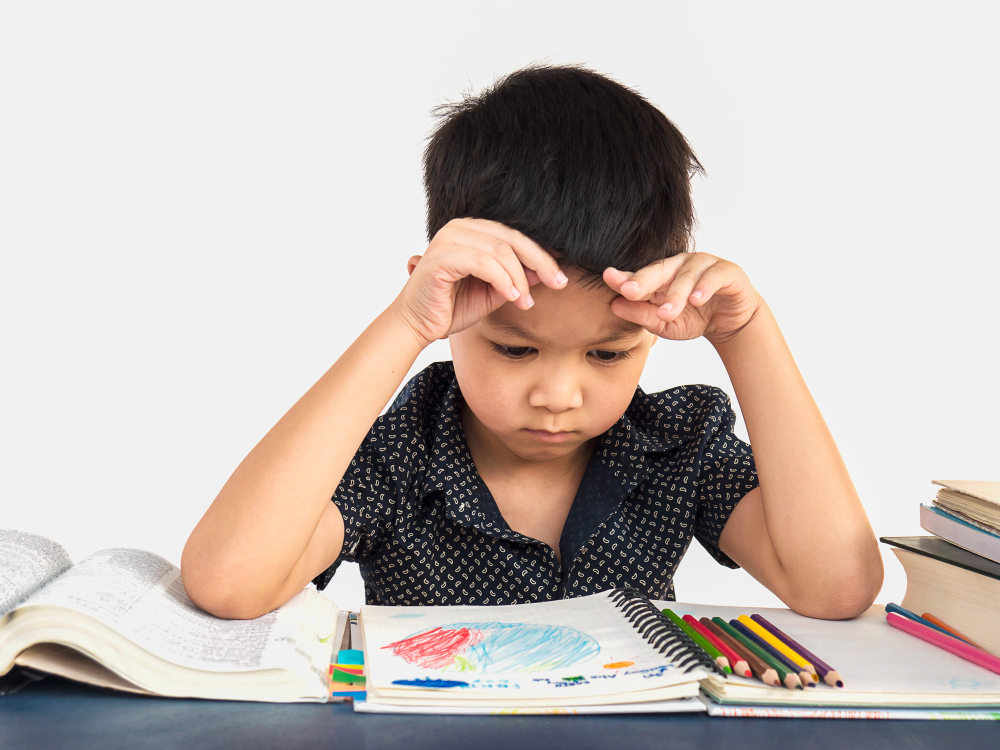
What Is Dysgraphia in Children?
Dysgraphia in children is a learning difference that affects writing skills. Children with dysgraphia often struggle to write clearly and easily. For example, their handwriting may be hard to read. Sometimes, they have trouble with spelling or putting thoughts on paper. Although dysgraphia is not caused by low intelligence, it can make schoolwork harder. In many cases, children feel frustrated or avoid writing tasks. Early support can help children manage these challenges.
Common Symptoms of Dysgraphia
Children with dysgraphia show different signs. However, some symptoms are more common than others. Recognizing these signs early can help children get the support they need. Here are some signs of dysgraphia:
Additionally, some children avoid writing tasks or become upset when asked to write. Noticing these signs early can lead to better support for children with dysgraphia.
Main Causes of Writing Difficulties in Children
Several factors can cause writing difficulties in children. Dysgraphia is often linked to how the brain processes information. For instance, some children have trouble with fine motor skills. This means they find it hard to control hand movements. Other children may struggle with language processing. As a result, they find it difficult to organize thoughts or spell words correctly. Sometimes, dysgraphia runs in families. In rare cases, brain injury or illness can lead to writing problems. However, most children with dysgraphia are otherwise healthy.
How Dysgraphia Is Diagnosed
Diagnosing dysgraphia in children involves several steps. First, teachers or parents may notice ongoing writing difficulties. Next, a healthcare provider or school specialist will review the child’s history. They may ask about learning and development milestones. After that, the child might complete writing tasks or tests. These help experts see how the child writes and organizes ideas. Sometimes, other tests check for fine motor skills or learning differences. Early diagnosis allows children to get support for dysgraphia and improve their writing skills.
Treatment and Support Strategies
There are many ways to help children with dysgraphia. Support for children with dysgraphia often includes:
In addition, teachers can adjust assignments to match the child’s needs. With the right support, children with dysgraphia can succeed in school and daily life.
Tips for Parents and Caregivers
Parents and caregivers play a big role in helping children with writing difficulties. Here are some helpful tips:
Moreover, joining local support groups can connect families with helpful resources. Many cities offer programs for children with learning differences.
Prevention and Early Intervention
Early help can make a big difference for children with dysgraphia. While not all cases can be prevented, early intervention helps children build strong writing skills. For example, teachers can watch for early signs of writing difficulties in children. If problems appear, they can suggest extra practice or refer the child for testing. Parents can also encourage drawing, coloring, and other hand activities at home. These activities build fine motor skills. When children get help early, they are more likely to succeed in school and feel confident about writing.
Conclusion
If you notice signs of writing difficulties in your child, early support can help. Reach out to The Suraksha Child Care And Development Center to discuss your concerns and explore helpful options.