
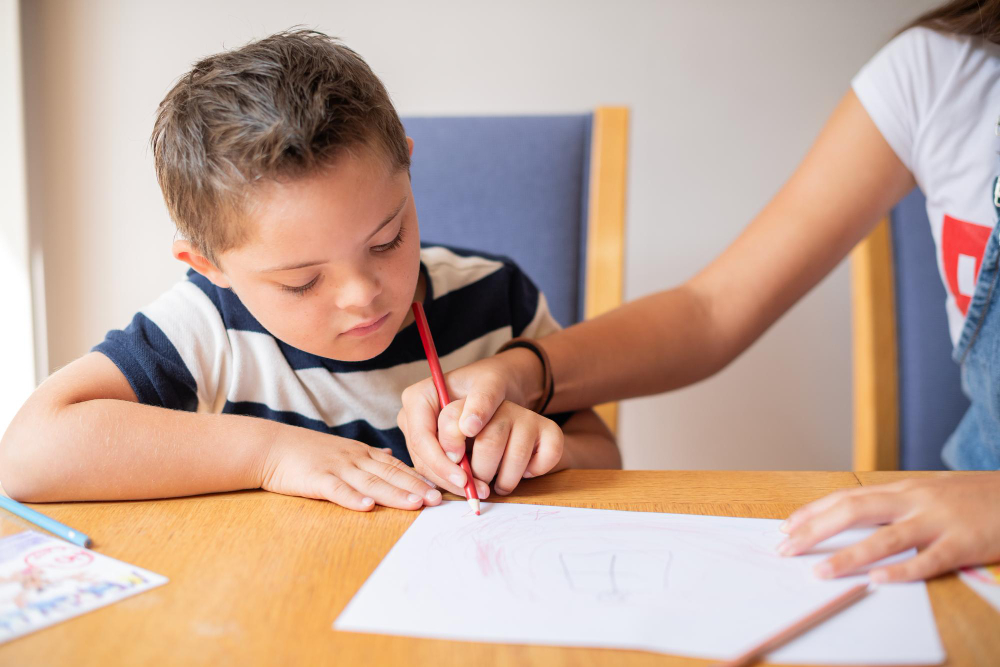
Introduction to Handwriting Difficulties in Children
Many parents notice handwriting difficulties in children during early school years. This condition means a child struggles to write letters or words clearly. Often, it affects schoolwork and self-confidence. Because writing is a key skill, these problems can impact learning and daily life. Early support can make a big difference. According to the CDC, about 5–20% of children may face handwriting challenges at some point.
Common Symptoms and Warning Signs
Handwriting problems can show up in many ways. For example, some children write slowly or avoid writing tasks. Others may have messy or hard-to-read handwriting. Watch for these common signs:
If you notice several of these signs, your child may need extra support. Early action can help prevent bigger problems later.
Main Causes of Poor Handwriting in Kids
There are many causes of poor handwriting in kids. Sometimes, more than one factor is involved. Understanding the root cause helps guide the right support. Here are the main reasons:
Because each child is unique, causes can vary. However, most children benefit from early help and encouragement.
Diagnosis and When to Seek Professional Help
Sometimes, handwriting difficulties in children are mild and improve with practice. But if problems continue for several months, it is wise to seek help. Early diagnosis can prevent frustration and learning delays. You should consult a specialist if:
Pediatricians, occupational therapists, or educational psychologists can assess your child. They may use simple tests to check hand strength, coordination, and writing ability. According to the CDC, early intervention leads to better outcomes.
Evidence-Based Support Strategies
There are many support strategies for handwriting problems. Research shows that a mix of therapies, home activities, and school support works best. Here are some proven methods:
Therapies
Home Activities
School Interventions
With patience and practice, most children can improve their handwriting skills.
Prevention Tips and Lifestyle Guidance for Parents and Caregivers
Although not all handwriting difficulties can be prevented, parents can help lower the risk. Here are some simple tips:
Because every child develops at their own pace, patience is key. Early support and encouragement can make a big difference in your child’s writing journey.
Conclusion: Take Action Early
Handwriting difficulties in children are common, but help is available. If you notice warning signs, do not wait. Consult the specialists at The Suraksha Child Care and Development Center for personalized assessment, guidance, and support. Early intervention can help your child build confidence, improve writing skills, and succeed in school and beyond.