
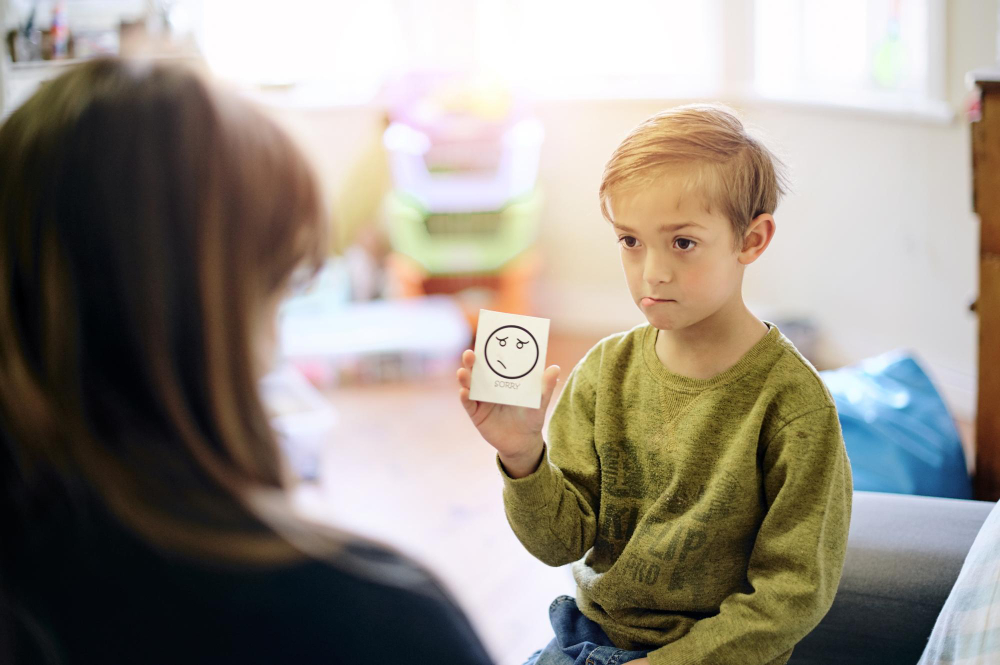
Children’s mental health is just as important as their physical health. Supporting your child’s mental health helps them grow, learn, and feel safe. Today, many parents worry about their child’s emotional wellbeing. However, with the right tools and knowledge, you can make a big difference. This guide will help you spot signs of mental health struggles, understand causes, and use practical tools at home. You will also learn when to seek professional help and how to build resilience in your child.
Common Signs of Mental Health Struggles in Children
Sometimes, it is hard to know if your child is having mental health problems. Yet, certain signs can help you notice when something is wrong. For example, changes in mood or behavior may signal a problem. Early recognition is key to getting help.
If you notice these signs, it is important to talk with your child. Sometimes, children may not use words to express their feelings. Instead, they show their struggles through actions.
Key Causes and Risk Factors
Many things can affect a child’s mental health. While some children are more at risk, every child can face challenges. Understanding the causes helps you support your child better.
Because every child is different, some may cope well, while others may need extra support. Early support can prevent problems from getting worse. (Source: CDC)
Effective Communication Strategies for Parents
Open and honest communication builds trust. When you talk with your child, you help them feel safe. Moreover, good communication makes it easier for your child to share their feelings.
Sometimes, children may not want to talk right away. However, by being patient and supportive, you show them you care.
Practical Tools and Resources for Supporting Mental Health at Home
There are many ways parents can support their child’s mental health at home. Even small changes can have a big impact. For example, creating a routine helps children feel secure.
Additionally, many online resources and support groups are available for parents. Trusted sites like the WHO and CDC offer helpful information.
When and How to Seek Professional Help
Sometimes, home support is not enough. If your child’s symptoms last more than a few weeks or get worse, it is time to seek help. Early intervention can make recovery easier.
Remember, seeking help is a sign of strength, not weakness. Many children benefit from therapy or counseling. In some cases, medication may be needed. Always follow your doctor’s advice. (Source: CDC)
Prevention Tips and Promoting Resilience
Building resilience helps children handle stress and bounce back from challenges. While you cannot prevent all problems, you can teach your child healthy coping skills.
With these steps, your child can build confidence and learn to face life’s ups and downs. Prevention starts at home, but community support also matters.
Conclusion
Supporting your child’s mental health is a journey. With the right tools and support, you can help your child thrive. If you have concerns, consult a mental health professional for personalized advice and support.